 4.5 from 6 reviews
 Professional profile
 5.0 from 12 reviews
A new crack in a wall is worrying. The good news is that most cracks are not subsidence. The ones that are have a cause you can find and fix, and the sooner it is looked at, the smaller the repair.
Why houses in West London crack
Much of West London sits on London clay. Clay shrinks as it dries out and swells as it gets wet again, so the ground under a shallow Victorian or Edwardian foundation moves a little every year. After the hot, dry summers London has had recently, we are seeing more of it than ever. Three things turn that movement into cracks you can see.
- Dry summers. A long dry spell pulls moisture out of the clay and the ground drops. Cracks often open in late summer and close up again over winter.
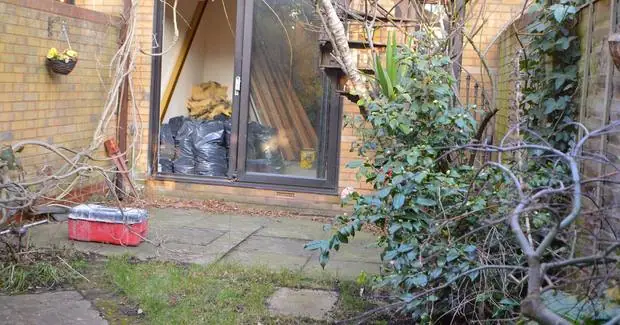
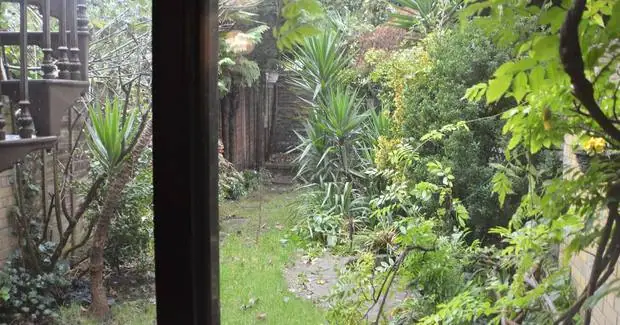
- Trees and big shrubs. A mature tree can draw water from clay well beyond its own height. Street trees, a neighbour's tree or a hedge close to the house are among the most common causes we see.
- Leaking drains. A cracked drain or broken gully softens the ground under one corner of the house. That movement does not follow the seasons and keeps getting worse until the drain is fixed.
The opposite can happen too. Take out a big tree and the clay slowly takes up water again and swells, pushing the house up. This is called heave, and it is why no one should cut down a tree near a cracked house before getting advice.
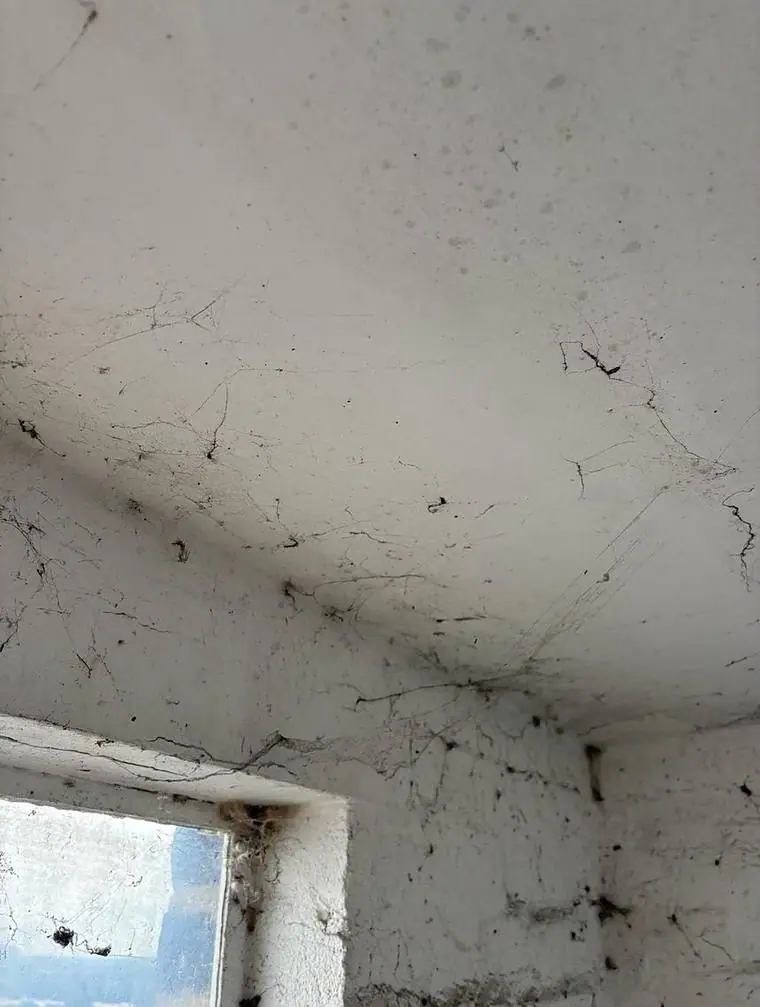
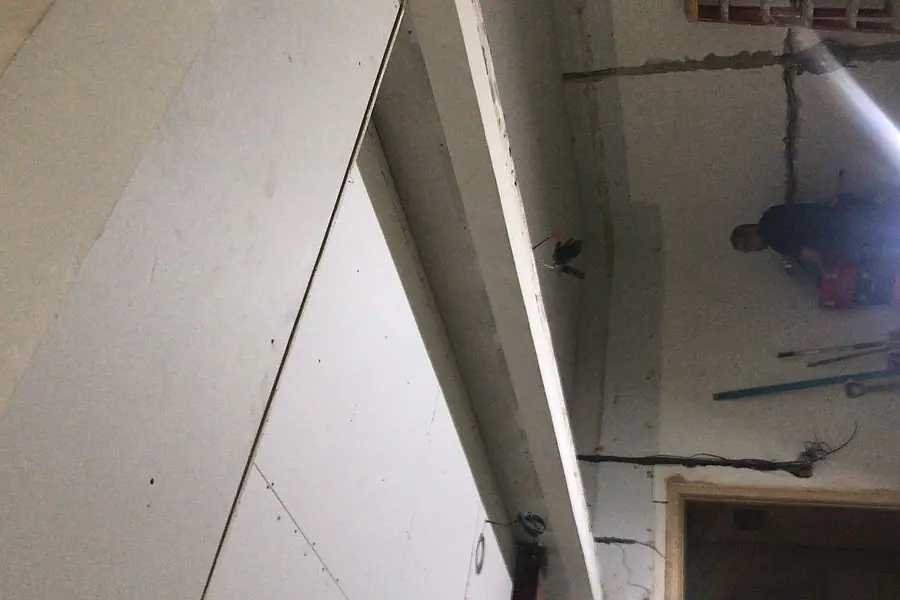
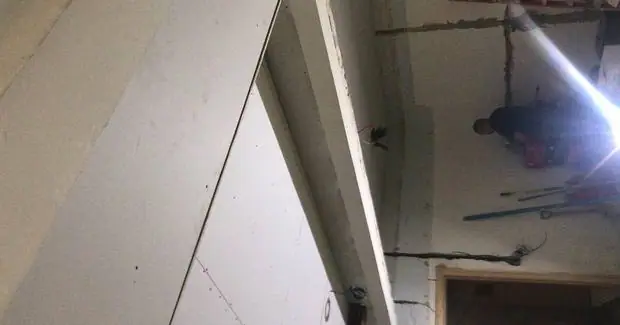
Cracking around openings, and investigating the ground underneath
Signs of subsidence to look out for
- Diagonal cracks wider at the top
- Cracks above doors and windows
- Doors and windows that start to stick
- Cracks you can fit a coin into
- Cracks showing inside and outside
- A gap opening where an extension joins the house
- Wallpaper rippling at a corner
- Cracks that grow with the seasons
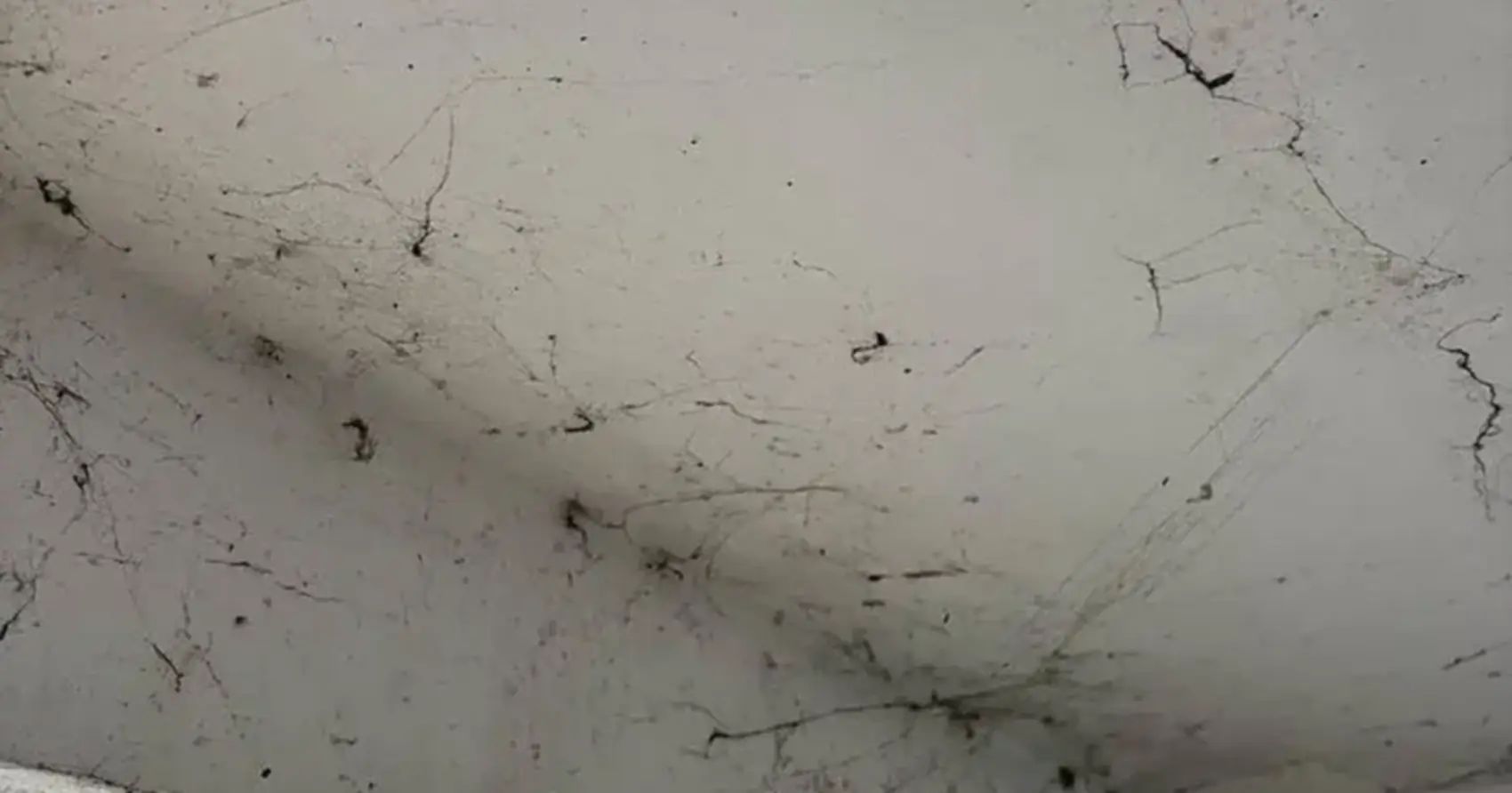
Fine hairline cracks in new plaster, or along the line where a ceiling meets a wall, are usually shrinkage and nothing more. We will tell you straight if that is what you have.